Loading...
Serving Honolulu, HI and surrounding areas. (808) 509-0068
Small gaps throughout your home let humid Honolulu air in and cool air out all day long. We find every leak, seal it properly, and back the work with before-and-after measurements.
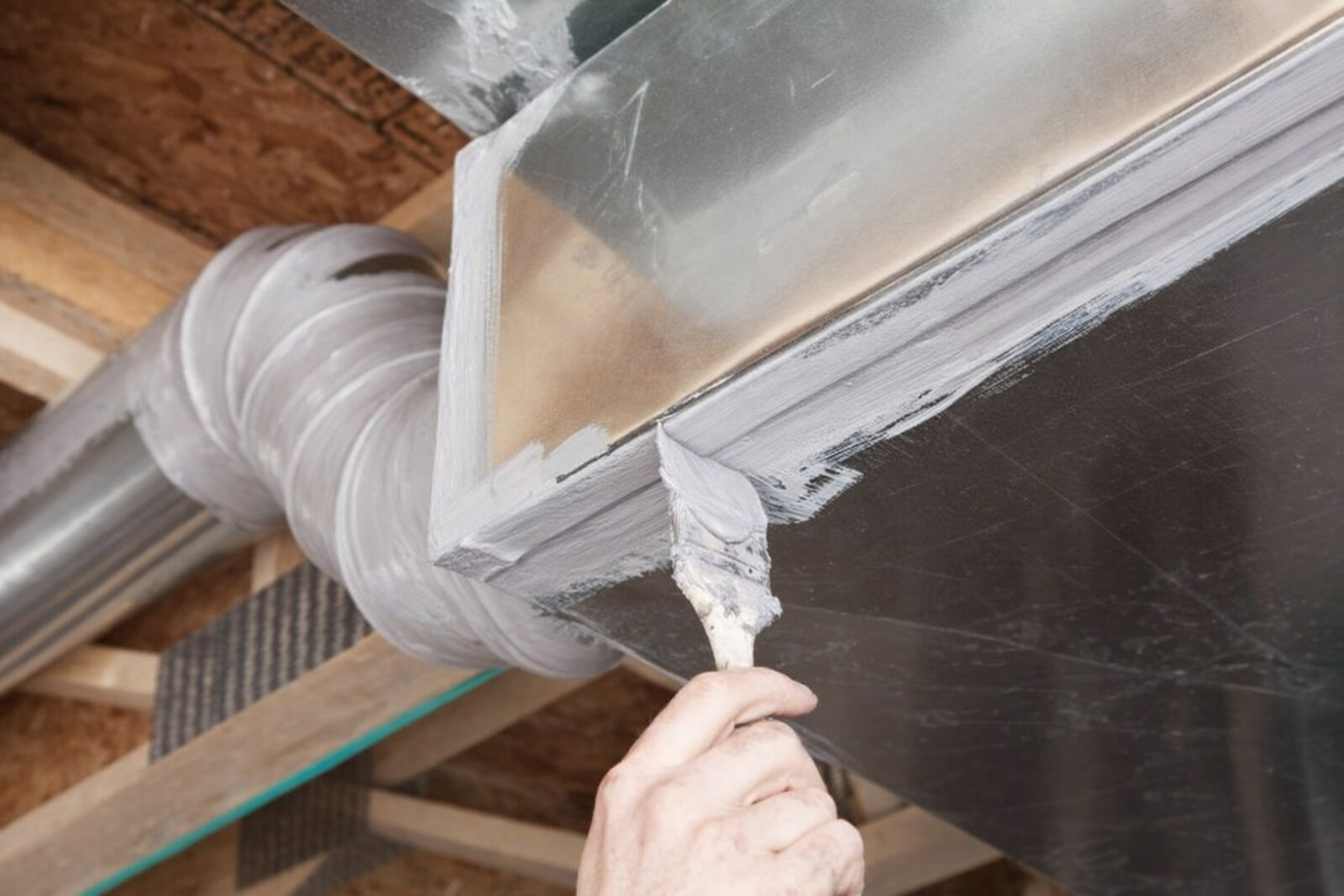
Air sealing in Honolulu means finding all the small gaps and cracks in your home where outdoor air sneaks in and cooled air leaks out, then closing them using foam, caulk, or weatherstripping - most jobs take one to two days and your living areas stay largely undisturbed throughout.
In Honolulu, the problem is not cold drafts - it is humid outdoor air pushing through gaps around plumbing, light fixtures, attic hatches, and wall joints every hour your home is standing. That air brings heat and moisture with it, which forces your AC to work harder and makes rooms feel muggy even when the thermostat reads comfortable. Older plantation-style and post-war homes are especially vulnerable because they were built before air conditioning was standard and were never designed to be tight. Pairing air sealing with attic air sealing addresses the two areas where most Honolulu homes lose the most energy.
Air sealing and insulation work together as a team. Insulation slows heat from moving through walls and ceilings, while air sealing stops air from moving around the insulation entirely. Doing both at the same time typically produces noticeably better results than either one alone.
If your Hawaiian Electric bill has been creeping up year after year - or spikes in warmer months - air leakage is one of the most common culprits. When your AC constantly replaces cooled air escaping through gaps, it runs longer than it should. In Honolulu, where electricity costs roughly two to three times the national average, even moderate leakage can add hundreds of dollars to your annual bill.
If one room always feels more humid or harder to cool than the rest - even when the AC is running - outside air is likely getting in nearby. In Honolulu's humid climate this shows up as a room that feels heavy and sticky even when the thermostat reads comfortable. Gaps around recessed lights, attic hatches, or plumbing penetrations in that room are common entry points.
Cockroaches, centipedes, ants, and geckos typically enter Honolulu homes through the same small gaps that let in humid air - around pipes, near the foundation, through gaps in the roof line. If you are regularly finding insects or small lizards inside despite keeping doors and windows closed, those entry points are almost certainly air leaks as well. Sealing them addresses both problems at once.
Hold your hand near an electrical outlet or light switch on an exterior wall on a breezy day. If you feel a faint draft, outside air is moving through the wall cavity and into your home. This is one of the easiest leaks to detect yourself, and it reliably indicates that other, less visible gaps exist throughout the home as well.
We provide whole-home air sealing for residential properties across Honolulu. Every project starts with a thorough assessment - using a blower door test to find and measure leaks, not just a visual inspection. That gives us a concrete map of where your home is losing energy and lets us target the work precisely. We seal gaps using the appropriate material for each location: flexible foam for larger openings, caulk for smaller cracks, and weatherstripping for doors and attic hatches. Most work happens in the attic and utility spaces, so your living areas look exactly the same when we are done. We frequently combine air sealing with basement insulation for homeowners who want to address the full lower envelope of their home at the same time.
For homeowners who want to pair air sealing with a broader upgrade, we also offer dedicated attic air sealing as a focused service - the attic is where most Honolulu homes lose the most energy, and sealing it before adding insulation produces significantly better results than insulation alone. Before-and-after blower door testing is part of our standard process so you have documented proof of the improvement, not just our word for it.
For homeowners who want a comprehensive assessment and sealing of every significant gap throughout the home, backed by blower door measurements.
Focused work on the attic floor - the single highest-impact area in most Honolulu homes - before insulation is added or replaced.
For homeowners who want to address both heat conduction and air movement at the same time for the best combined result.
Right for homeowners who have already had an energy audit and know specific problem areas - plumbing penetrations, electrical gaps, or attic hatches.
Honolulu homeowners pay some of the highest electricity prices in the United States - often two to three times the national average - because most power on Oahu is still generated from imported oil. That means every bit of cooled air that escapes through a gap costs significantly more than it would on the mainland. Air sealing has a faster financial payback here than almost anywhere else in the country. A large portion of Honolulu's housing stock was built between the 1940s and 1970s using plantation-style and post-war construction methods designed for natural ventilation, not air conditioning. These homes tend to have substantial gaps around plumbing, wiring, and at the roof line that were simply never sealed. Homeowners in Kailua and Kaneohe deal with the same humid trade wind conditions that drive air leakage costs throughout Oahu.
Honolulu's coastal environment also means that caulk, foam, and weatherstripping are exposed to salt-laden air and high humidity year-round. Materials that hold up well in dry mainland climates can degrade faster here, which is why the quality of materials used matters more than it might elsewhere. A contractor experienced in Hawaii's conditions will know which products hold up and which ones will need replacement within a few years. Hawaii homeowners may also be eligible for federal tax credits and utility rebates through Hawaiian Electric's energy efficiency programs that can offset a meaningful portion of the project cost.
We ask a few basic questions about your home's size, age, and any specific comfort problems you have noticed. We reply within one business day and can typically schedule an assessment within the week.
A technician walks through your home - paying close attention to the attic, crawl spaces, and utility areas. Many contractors use a blower door test to depressurize your home and make leaks easy to find and measure. The assessment usually takes two to four hours.
You receive a written estimate that describes exactly where the biggest leaks are, what we recommend sealing, and the total cost. There is no obligation to proceed, and we answer every question before you decide.
The crew seals gaps using the right material for each location. Most work happens in the attic and utility spaces. A thorough contractor runs a second blower door test afterward so you can see the measurable improvement, and walks you through everything before leaving.
Free estimate, no obligation. We reply within one business day.
(808) 509-0068We use a blower door test before and after every air sealing job so you can see the actual improvement - not just take our word for it. That measurement gives you documentation you can use when applying for utility rebates or federal tax credits, and it confirms you got what you paid for.
Our crews work on Honolulu homes year-round and know how the island's climate drives air leakage. Ask for local references and a written estimate before you call - we are glad to share both so you know exactly who is doing the work.
Plantation-style bungalows and post-war construction in Honolulu have different leakage patterns than mainland wood-frame homes. We have assessed and sealed these homes across the city and know where the gaps typically hide - which means faster, more thorough work than a contractor approaching island homes for the first time.
A well-sealed home still needs fresh air to come in through controlled pathways. We check your ventilation before sealing anything, because sealing without ventilating can trap moisture and indoor pollutants. In Honolulu's humid climate, that step protects your health as much as your energy bill. The Building Performance Institute sets the national standard for this balanced approach, and we follow it on every project.
Documented results, local knowledge, and materials chosen for Hawaii's coastal climate - those are the standards we bring to every air sealing project in Honolulu. When you can see the before-and-after numbers, you know the work was done right.
Pair air sealing with basement insulation to address the full lower envelope of your Honolulu home at once.
Learn MoreA focused service targeting the attic floor - where most Honolulu homes lose the greatest volume of cooled air.
Learn MoreWith Honolulu's electricity rates, gaps in your home's envelope cost you more than almost anywhere else in the country. Call today for a free, no-obligation estimate.