Loading...
Serving Honolulu, HI and surrounding areas. (808) 509-0068
Custom Honolulu Insulation is an experienced insulation contractor serving Kailua, HI, with expertise in attic insulation, spray foam, and air sealing for windward Oahu homes. We have served Kailua properties since 2016, and we know the CMU construction, heavy rainfall, and salt air conditions that define this coast.
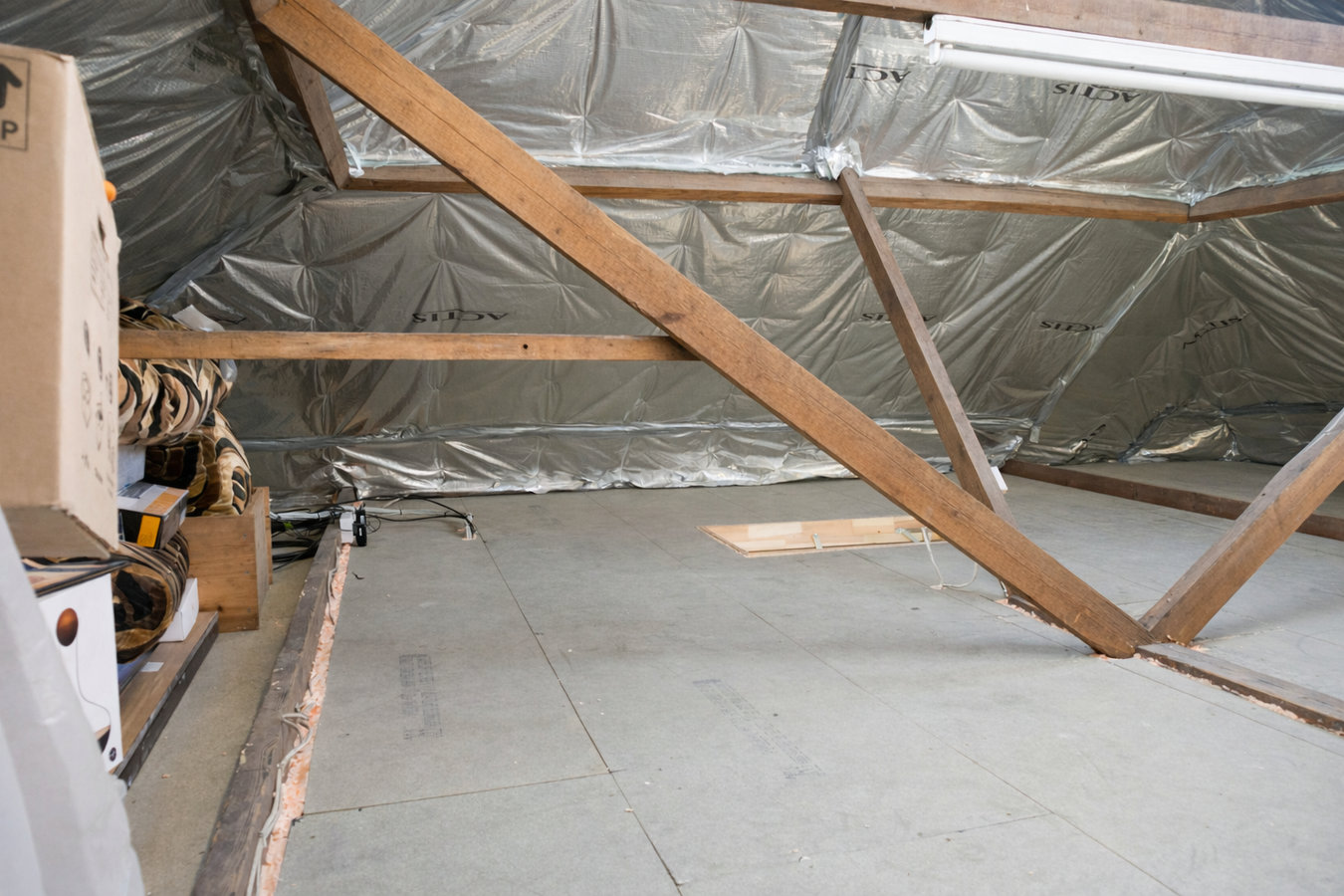
Kailua rooftops absorb intense sun every day, and the windward coast's regular rain events add moisture pressure that older attic insulation was never designed to handle. Our attic insulation work upgrades the thermal barrier above your living space so your air conditioner is not competing with a superheated attic every afternoon.
Kailua's mix of concrete block and wood-frame homes built in the 1950s through 1970s is full of small gaps where salt-laden ocean air enters walls and attic cavities. Spray foam expands into those spaces and seals them completely in one step, addressing both moisture intrusion and energy loss at the same time.
Being on the windward side of Oahu means Kailua homes face a near-constant push of warm, moist trade wind air against their north and northeast faces. Air sealing closes the gaps around fixtures, pipe penetrations, and attic hatches that let that humid air inside, where it drives up cooling costs and creates conditions for mold in poorly ventilated spaces.
Kailua's flat lots and the drainage channels running through town mean ground moisture is a year-round concern for homes with crawl spaces. A properly installed vapor barrier separates the soil from your floor system, protecting wood framing from the persistent humidity that drives rot and mold in windward Oahu properties.
Original insulation from Kailua's postwar construction era has had decades of moisture and salt air working on it. Material that has compressed, absorbed water, or been disturbed by pests traps existing problems when new insulation is simply layered on top. Complete removal gives the new installation a clean, dry surface to perform at its rated value.
Kailua's concrete block homes were rarely built with insulated walls, because the CMU itself was considered sufficient in a climate that once relied on trade winds for cooling. As electricity costs have climbed, adding insulation to the wall cavity or the interior face of CMU exterior walls has become a meaningful upgrade for homeowners looking to reduce their monthly bills.
Kailua sits on the windward side of the Ko'olau Mountains, where annual rainfall averages 30 to 50 inches and trade winds push warm, moisture-laden air against homes almost every day. That combination of rain and humidity is harder on building materials than most homeowners expect. Insulation that absorbs moisture loses effectiveness and can create conditions for mold inside walls and attic cavities. A contractor who works regularly on the windward coast chooses materials suited for this specific environment rather than copying what works on the drier leeward side.
Most of Kailua's residential neighborhoods were built between the 1950s and the 1970s, primarily in concrete block construction. CMU homes hold up well against wind and pests, but they were rarely built with insulated walls, and their attics were designed for ventilation rather than thermal control. Now that nearly every household runs air conditioning against year-round heat, those same homes are expensive to cool. Getting the insulation right in a CMU home requires different techniques than a typical wood-frame house - and experience with this building type is not optional.
Our crew works throughout Kailua regularly, and we understand the local conditions that affect insulation work here. We pull permits through the City and County of Honolulu Department of Planning and Permitting when projects require it, and we are familiar with the one-story concrete block and wood-frame homes that dominate Kailua's residential grid. Many of the properties we work on near Kawainui Marsh and Kailua Beach Park have flat lots where ground moisture is a persistent issue alongside the more obvious rooftop heat gain.
The neighborhoods closest to the water - including Lanikai and the streets running toward Kailua Beach Park - deal with the most aggressive salt air. Homes just a few blocks inland still see elevated humidity compared to Honolulu's leeward side, but the corrosion pressure is meaningfully different the closer you are to the ocean. We account for that when recommending materials and sealing approaches.
We also serve the neighboring community of Kaneohe, just north of Kailua, where the Ko'olau foothills bring even higher rainfall. Homeowners in both communities share many of the same building challenges, and our crews move regularly between the two.
We respond to all new inquiries within one business day. When you reach out, we will ask a few questions about your home's age, what area you want insulated, and what is prompting the call - so we arrive prepared rather than starting from zero.
We inspect the attic and any other areas you want addressed, check existing insulation condition, and look for moisture or pest issues that would affect the job. You get a written estimate before we leave - no surprise pricing later.
If your project requires a permit from the City and County of Honolulu, we handle that process - you do not need to visit the permit office yourself. Once any required permits are in hand, we schedule your installation date and let you know what to clear out of the work area beforehand.
Most Kailua attic jobs are completed in a single day. When the crew finishes, we walk you through what was done so you can see the completed work - or review photos if the attic is difficult to access. We clean up and leave you with documentation of what was installed.
We serve Kailua and the surrounding windward Oahu communities. Get a free estimate with no obligation.
(808) 509-0068Kailua is a coastal town on the windward side of Oahu with a population of roughly 36,000 people and a reputation as one of the island's most desirable residential communities. The town center sits on a flat plain between the Ko'olau Mountains and Kailua Bay, with neighborhoods ranging from the upscale beach community of Lanikai to the residential streets surrounding Kawainui Marsh, Hawaii's largest wetland. Most of the housing stock consists of single-story and two-story single-family homes built from the 1950s through the 1970s, primarily in concrete block construction typical of Hawaii's postwar era.
Kailua's position on the windward coast means it receives significantly more rain than Honolulu - annual totals of 30 to 50 inches are common, with neighborhoods closer to the mountains seeing even more. That moisture, combined with consistent trade wind humidity and proximity to the ocean, shapes nearly every home maintenance decision in this community. Neighbors to the north in Kaneohe and to the west in Pearl City face some of the same windward conditions, though with different terrain and building stock details.
Creates an airtight seal that dramatically cuts energy waste in your home.
Learn MoreKeeps your home cooler in summer and warmer in winter by sealing the attic.
Learn MoreSafe removal of old or damaged insulation to prepare for a fresh install.
Learn MoreProtects your floors and pipes from moisture and temperature swings below.
Learn MoreReduces heat transfer through exterior walls for a more comfortable interior.
Learn MoreKeeps basements dry and conditioned for better comfort throughout the home.
Learn MoreHigh-density foam that insulates and strengthens walls against moisture.
Learn MoreEnergy-efficient insulation solutions tailored for commercial buildings.
Learn MoreBlocks ground moisture from entering your crawl space and living areas.
Learn MoreProfessional vapor barrier placement to prevent mold and moisture damage.
Learn MoreThe longer a Kailua home goes without proper insulation, the more you pay in cooling costs every month. Call or submit a request and we will get back to you within one business day.