Loading...
Serving Honolulu, HI and surrounding areas. (808) 509-0068
Honolulu homes lose cooling fast through attics that were never properly insulated. Blown-in insulation fills every corner and cuts the load on your AC.
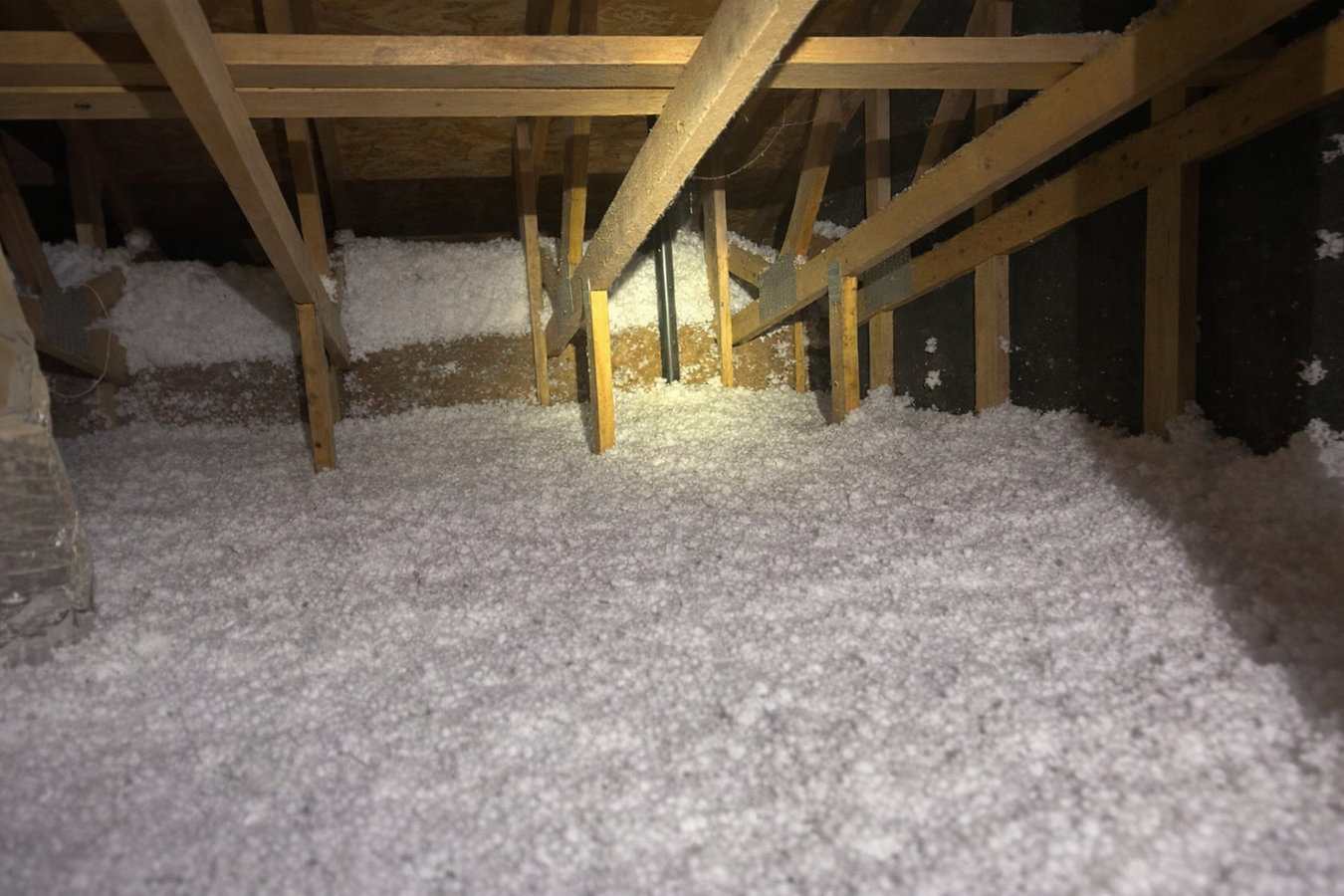
Blown-in insulation in Honolulu is loose-fill fiberglass or cellulose material that a contractor blows into your attic or wall cavities using a large hose, covering irregular spaces that batts simply cannot reach - most jobs take three to five hours from start to cleanup.
If your home was built before 1980 and the attic has never been upgraded, there is a good chance you are cooling the sky above your ceiling as much as you are cooling your living space. Honolulu homes were often built with minimal insulation because electricity seemed affordable - that math has changed significantly since then. Blown-in material is the preferred retrofit choice because it conforms to the irregular framing common in older island homes, unlike attic insulation systems that rely on precise spacing.
Good work also includes air sealing - closing gaps around light fixtures, pipes, and framing before the material goes in. In Honolulu's humid climate, those gaps are not just heat leaks; they are pathways for moist air to enter and condense, which can lead to mold over time.
If your air conditioner works hard all afternoon and your home still feels stuffy, heat is likely entering through your ceiling faster than your system can remove it. In Honolulu, where the sun beats down on rooftops year-round, an under-insulated attic acts like a heat radiator directly above your living space. This is one of the most common - and most overlooked - reasons for high electric bills here.
Hawaii has some of the highest electricity rates in the country, and a poorly insulated home can add hundreds of dollars a year to your bill. If your usage habits have not changed but your bill keeps rising, your attic is one of the first places worth investigating. A quick look - or a call for a free assessment - can tell you a lot.
Homes built in Honolulu before modern energy codes were adopted often have little or no attic insulation, or have old material that has flattened and lost most of its effectiveness. If you have never had anyone work on your attic insulation, there is a reasonable chance it is well below what current standards recommend.
Honolulu's persistent humidity means any gap between your living space and attic can allow warm, moist air to cause condensation and eventually mold. If you notice water stains, a musty smell near the attic hatch, or ceiling discoloration, it may signal an under-insulated or unsealed attic - a problem blown-in insulation combined with air sealing can address.
We offer blown-in attic insulation for existing homes across Honolulu and the surrounding areas. Every job starts with a free in-home assessment where we measure what is already in your attic, check for moisture or pest activity, and explain exactly what needs to happen before we recommend a scope. We carry both fiberglass and cellulose material so we can match the right product to your attic conditions. If you are weighing blown-in against a full home insulation upgrade that covers multiple areas, we can assess that too and give you one clear written estimate.
Air sealing is included in every blown-in job we quote - not offered as a costly add-on. Before any material goes in, we seal gaps around recessed lights, pipes, wiring penetrations, and attic hatches. In Honolulu's humid climate this step is not optional, and it is one of the most important differences between work that performs and work that disappoints. For older homes that need existing material removed before new insulation can be added, we offer full insulation removal and replacement.
Ideal for any homeowner with an accessible attic who wants to stop heat gain at the source - especially in homes built before 1980.
Best suited for homeowners doing a renovation or remodel who want to bring older walls up to modern performance standards.
For homeowners in humid areas who want protection against both heat gain and moisture intrusion - the two biggest threats in Honolulu.
Right for homes with old, compressed, or moisture-damaged insulation that needs to come out before new material can perform properly.
On the mainland, insulation keeps warmth in during cold winters. In Honolulu, the job is reversed - your attic insulation needs to block heat from pouring in through your roof all year long. Much of the city's housing stock was built between the 1940s and 1970s, when insulation was minimal or nonexistent by today's standards. Older homes in neighborhoods like Kaimuki have little to no original insulation, or have material that has been compressed and degraded over decades. A contractor who primarily works in cold-climate states may not be calibrated for what Hawaii homes actually need - local knowledge matters. Homeowners in Mililani Town and Pearl City have the same heat-gain challenges and benefit from the same retrofit approach.
High humidity - typically 63 to 70 percent year-round - creates a moisture risk that mainland homes rarely face. Trade winds push warm, moist air against building envelopes constantly. If your attic is not properly air-sealed before insulation is added, that moisture can get trapped and create conditions where mold and wood rot develop. This is why air sealing is not an optional upgrade here the way it might be in a drier climate. The Hawaii State Energy Office maintains local insulation requirements that differ from any mainland code - working with a contractor who knows Hawaii's standards protects you from work that does not meet local requirements.
We will ask a few basic questions - home size, age, and whether you have had any insulation work done before. We reply within one business day and can usually schedule an assessment within the week.
We go up into your attic, measure what is already there, and check for moisture or gaps that need to be addressed first. You receive a written estimate before any work begins - no surprises on billing day.
Before any material goes in, we seal gaps around fixtures, pipes, and framing. Then we run the blowing hose through your attic hatch and fill the space evenly - the whole installation typically takes one to two hours.
We clean up any drifted material, walk you through what was done, and show you the depth achieved. Your home is ready to use immediately - no waiting, no curing, no smell.
Written quote, no obligation. We reply within one business day.
(808) 509-0068We seal gaps around fixtures, pipes, and framing before any material goes in. In Honolulu's humid climate, skipping this step is how a well-intentioned job underperforms - we never skip it.
We have worked on older concrete block homes in Kaimuki, bungalows in Manoa, and newer builds across the island. We know what Honolulu homes actually need - not what a mainland playbook suggests.
Hawaii labor and material costs already run above the mainland average. The number in your written estimate is the number you pay - materials, labor, and cleanup are all included.
You get a written estimate before we start and a walkthrough of the finished attic before we leave. We are glad to share local references so you know exactly what you are getting and can see it when the job is done.
Every one of these commitments comes back to the same idea: you should know exactly what you are getting and be able to see it when the job is done. That is how we have built our reputation across Honolulu.
A full whole-home assessment covering attic, walls, and crawl spaces - ideal when you want every area evaluated in one visit.
Learn MoreTargeted attic upgrades using the right material and R-value for Honolulu's warm, humid climate zone.
Learn MoreHonolulu electricity rates are not going down - every month you wait costs you money. Call or submit a request and we will reply within one business day.