
Loading...
Serving Honolulu, HI and surrounding areas. (808) 509-0068
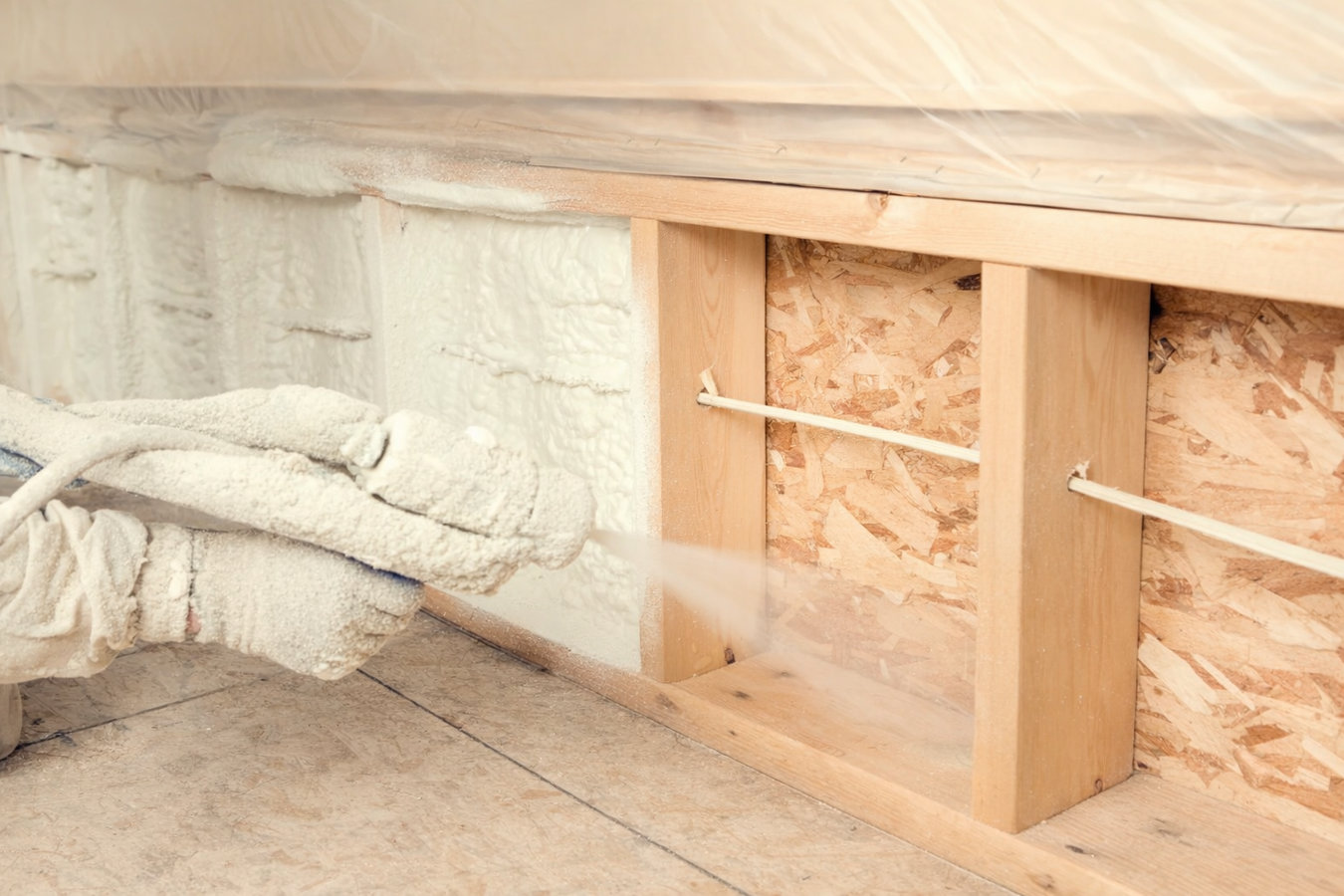
Honolulu homes face heat and humidity every day of the year. Closed-cell foam blocks both in a single application - giving your walls and attic a barrier that holds up in island conditions.
Closed-cell foam insulation in Honolulu means a trained technician sprays a two-part liquid directly onto the surface being insulated - wall cavities, the underside of a roof deck, or a crawl space floor. The foam expands rapidly and hardens into a dense, rigid layer. Most residential jobs take one to two days, and you will need to vacate the home for at least 24 hours while the foam cures.
What makes closed-cell foam particularly well-suited to Honolulu is that it handles two problems at once. It slows heat from passing through walls and ceilings, and it resists moisture vapor from working its way into the building - something standard insulation materials do not do nearly as well. For older Honolulu homes that were built with open ventilation rather than sealed insulation, this combination can make a real difference in both comfort and energy costs. Many homeowners pair this service with open-cell foam insulation in areas where the moisture priority is lower and cost is a bigger factor.
For the full thermal picture of your home, spray foam insulation covers the range of foam options available and how they compare for different areas of the home. A good contractor will walk you through which product makes sense for each zone - attic, walls, and under-floor - based on your home's specific conditions rather than a one-size-fits-all recommendation.
If your air conditioner runs constantly but certain rooms stay warm and stuffy, heat is likely entering faster than your system can remove it. In Honolulu's climate, an under-insulated attic or wall cavity acts like a slow oven - absorbing heat all day and radiating it into your living space. Closed-cell foam creates a thermal barrier that gives your AC a fighting chance rather than running to keep up with constant heat gain.
Honolulu's persistent humidity means moisture can work its way into walls and attics over months and years, especially in older homes with little or no insulation. A musty odor or faint staining on drywall can be an early sign that moisture is accumulating inside the wall cavity. Addressing the insulation now is far less expensive than dealing with mold remediation later, which is a real cost in Hawaii's humid climate.
If your electricity costs have gone up noticeably without a clear reason, your home's thermal envelope may be failing. Gaps, settled insulation, or no insulation at all in key areas let heat pour in and cool air pour out. Given Hawaii's high electricity rates, the gap between a well-insulated home and a poorly insulated one shows up fast in monthly bills. A professional assessment will tell you where the losses are happening.
Homes built in Honolulu before modern energy codes were adopted were often designed with open ventilation rather than sealed insulation, which made sense before air conditioning became standard. If your home has never been insulated or the work has not been done in decades, it is almost certainly underperforming. A quick look in the attic will often reveal bare rafters or a thin, compressed layer of old material that is doing very little.
We start every job with an on-site assessment - measuring the space, checking for existing insulation or moisture issues, and explaining exactly what we recommend and why. You receive a written estimate before work begins, not a verbal number that shifts later. Our technicians are trained on the spray equipment and apply foam in controlled passes to reach the right thickness for your specific climate zone and surface type. Any surfaces that should not be coated are masked off before spraying begins, and the crew cleans up overspray and debris before leaving.
Closed-cell foam is one option within a broader range of spray foam products. In some parts of a home, particularly interior walls where moisture is less of a concern, open-cell foam insulation may be a better value. For homes that need full attic treatment as well, spray foam insulation outlines how the two foam types compare and where each performs best. We discuss material choices during the estimate visit and never push one product over another if a different one actually fits your situation better.
Best for Honolulu homes where heat entering through the roof is the primary problem - creates a sealed thermal barrier at the roof deck or along the attic floor.
Suited for older homes where wall cavities have little or no insulation - foam is injected or applied during renovation to seal air gaps and add thermal resistance.
For spaces where both heat reduction and moisture blocking are needed in the same area - closed-cell foam addresses both without a separate vapor barrier product.
Ideal for homeowners dealing with drafts or humidity entry at the edges of the floor structure - small but high-impact applications that seal the building envelope.
Honolulu averages around 80 degrees Fahrenheit year-round with relative humidity frequently above 60 percent. That combination means your home is under constant thermal and moisture pressure - not just in summer. Standard insulation materials can absorb moisture over time, reducing their effectiveness and contributing to mold growth in walls and attics. Closed-cell foam does not absorb moisture, which is what makes it particularly valuable in this climate. Homeowners in Kapolei, HI and Ewa Beach, HI on the leeward side of the island - where afternoon heat is particularly intense - find that attic foam insulation makes a noticeable difference in how quickly homes cool down after sunset.
A large share of Honolulu's housing stock was built between the 1940s and 1970s, when insulation standards were far lower and many homes were designed with open-air ventilation rather than sealed envelopes. If your home was built before 1980 and has never had insulation work done, there is a good chance it is losing significant cooling energy every day. Hawaii's electricity rates are among the highest in the country, so the payback on a proper insulation upgrade comes faster here than almost anywhere on the mainland. The Spray Polyurethane Foam Alliance provides installation quality standards worth reviewing at sprayfoam.org.
We ask a few basic questions - the size of your home, what areas you want insulated, and whether any work has been done before. This takes about five minutes and helps us arrive to the estimate prepared. We reply within one business day to confirm your visit.
A technician visits your home, measures the space, checks for existing insulation or moisture issues, and explains what they recommend. You receive a written estimate before leaving the conversation - if a contractor will not put the price in writing, that is a red flag worth paying attention to.
Before the crew arrives you will need to clear the work area and make sure everyone - including pets - has somewhere to stay for at least 24 hours. The contractor provides a clear checklist of what to do ahead of time. This step keeps the job on schedule and keeps your household safe during application.
The crew applies foam in controlled passes, cleans up overspray, and leaves the space sealed and clean. After the 24-hour curing period, we do a final walkthrough so you can see the coverage and confirm everything looks even and complete before signing off on the job.
No obligation estimate. We assess your home in person and put the price in writing before any work starts.
(808) 509-0068You get a written estimate before we start and a walkthrough of the finished job before we leave. Spray foam requires specialized equipment and training, and documenting each step means you know exactly what was applied and where.
Spray foam installation is not a task any insulation crew can pick up - it requires specific equipment, calibration for temperature and humidity conditions, and pass-by-pass thickness control. Our technicians are trained on the materials they install. Poorly applied foam creates gaps, adhesion failures, or off-ratio chemistry - problems that are hard to detect and expensive to fix.
We account for Honolulu's heat and humidity when specifying foam type, application thickness, and surface preparation. Materials and methods that work well on the mainland sometimes perform differently in a hot-humid coastal climate. We have installed foam in a range of Honolulu home types - from 1950s concrete block houses to newer construction - and that experience informs every recommendation we make.
You get a written estimate with a real number after the on-site assessment - not a ballpark figure that grows once the crew arrives. Hawaii homeowners pay a premium for labor and materials because of island logistics, and we make sure you understand exactly what you are paying for. The U.S. Department of Energy's guidance on insulation types is a useful reference if you want to understand what you are comparing - see energy.gov.
Closed-cell foam is a long-term investment in your home - it does not sag, compress, or degrade over time the way older insulation types do. Getting it installed correctly the first time is what makes the difference between a job that holds up for decades and one that needs to be revisited.
A lighter, lower-cost foam option suited to interior walls and spaces where moisture resistance is less critical than in attics or crawl spaces.
Learn MoreAn overview of all spray foam options for Honolulu homes, including how closed-cell and open-cell compare across different areas of the building.
Learn MoreFoam crews book out quickly in Honolulu - scheduling your estimate now means your home gets addressed before the next round of peak demand.