Loading...
Serving Honolulu, HI and surrounding areas. (808) 509-0068
Most Honolulu homes were built before insulation was a priority. Retrofitting your attic or walls is the most cost-effective upgrade you can make to bring your home's comfort up to where it should be.
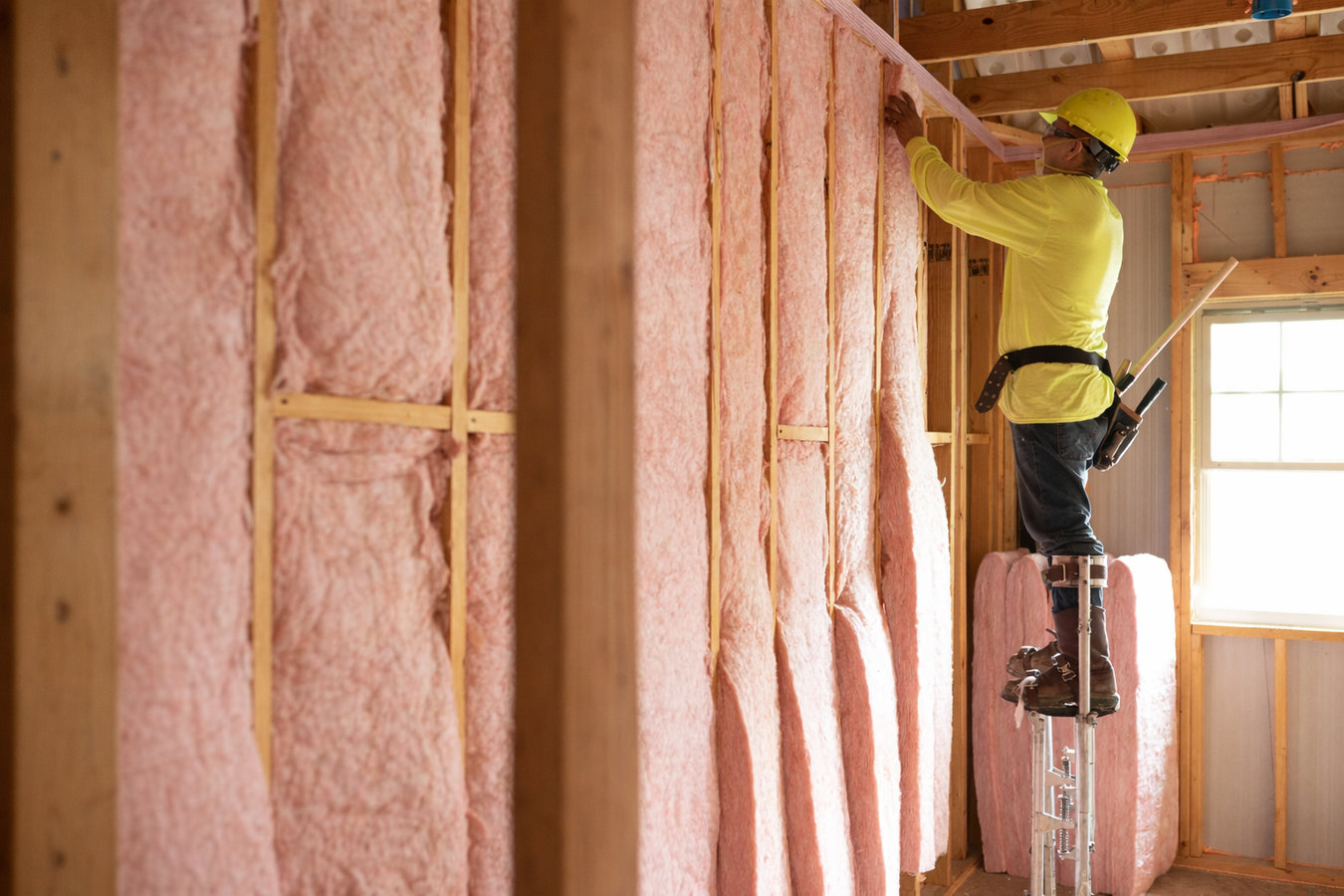
Retrofit insulation in Honolulu means adding insulation to a home that is already built - without tearing down walls or doing a major renovation - using blown-in material that fills attics, wall cavities, and floor spaces, with most attic jobs completed in a single day.
A large share of Honolulu's housing stock was built between the 1950s and the 1980s, when Hawaii had minimal insulation requirements - or none at all. These homes were designed with open layouts and natural ventilation in mind, which worked reasonably well before air conditioning became standard. Today, a home with little or no attic insulation is essentially letting the sun bake its roof and radiate that heat directly into your living space every afternoon. Retrofit insulation breaks that cycle. For homeowners who want to address both air movement and heat at the same time, we often recommend pairing retrofit insulation with our home insulation service, which covers the full picture of how heat and air move through a Honolulu home.
The work is less disruptive than most homeowners expect. For attic jobs, the crew arrives with a truck-mounted blowing machine, runs a hose up into the attic, distributes material to the specified depth, and leaves the space clean. You stay in your home throughout, and most people notice a difference in comfort within the first few days.
In Honolulu, the sun beats down on rooftops for most of the year, and an attic with little or no insulation acts like a heat collector right above your living space. If your upper rooms feel significantly warmer than the rest of the house - especially in the afternoon - that is a strong sign heat is moving through your ceiling unchecked. This is one of the most common complaints from homeowners in older Honolulu neighborhoods.
Hawaii's electricity rates are already high, so when your air conditioning has to work harder to compensate for heat coming through a poorly insulated ceiling, you feel it immediately on your bill. If your monthly Hawaiian Electric bill has crept up without an obvious reason, inadequate insulation is one of the first things worth checking. A simple attic inspection can tell you whether there is a problem.
If you can safely peek into your attic and see the wooden framing clearly, your insulation is either very thin or missing entirely. A properly insulated attic in a warm, humid climate like Honolulu's should have a thick, even layer of material covering the entire floor - you should not be able to see the structure underneath. Many homes built before the 1990s in Honolulu were never insulated to begin with.
If your home was built before the mid-1990s and you have never had insulation work done, there is a very good chance it does not meet current standards - not because anything has failed, but because the standards simply did not exist when it was built. This is especially common in Honolulu's older residential neighborhoods. A contractor can do a quick assessment and tell you exactly what is there and what is missing.
We install blown-in fiberglass and blown-in cellulose insulation in attics, dense-pack insulation in wall cavities, and spray foam in areas where a tighter seal is needed before loose-fill goes in. Every job starts with an on-site walkthrough - we go into your attic, measure what is already there, check the ventilation, and look for moisture issues before we recommend anything. We also assess whether air sealing should happen first, because adding insulation on top of unsealed gaps reduces the benefit significantly. For homes where air sealing is the priority first step, we can sequence the work and combine it with our spray foam insulation service to address both gaps and thermal performance in a single project.
The U.S. Department of Energy guidance on adding insulation to existing homes recommends assessing ventilation and air sealing before installation - which is exactly the sequence we follow on every Honolulu home. Honolulu's trade winds mean many older homes were designed to breathe, and adding insulation without accounting for that airflow can trap heat or moisture rather than managing it. We factor that in from the start. Every written estimate specifies the material, the installation depth, and what is included - so you can compare quotes on equal terms rather than guessing what is different between them.
The most common and cost-effective retrofit for Honolulu homes - blown-in material covers the entire attic floor evenly and is well-suited to the warm, humid conditions here.
For homes where wall cavities have little or no insulation, dense-pack blown material fills the space through small access holes that are patched and finished when done - no full wall tear-down needed.
Two-component spray foam works best for sealing gaps and insulating tight spaces where blown-in material cannot reach - ideal for attic bypasses, top plates, and penetrations.
Every project begins with a free in-person visit - no phone quotes, no guessing. We walk through your attic, explain what we find, and give you a written estimate in plain language before any work begins.
On the mainland, insulation is mostly about keeping heat inside during cold winters. In Honolulu, the job is almost the opposite - keeping the sun's radiant heat out of your living space and managing moisture so it does not get trapped inside your walls or attic. This means the type of insulation chosen, and how it is installed, matters more here than in a dry climate. Hawaiian Electric customers pay some of the highest electricity rates in the United States, which means the payback period on insulation improvements is shorter here than almost anywhere else in the country. Homeowners in Aiea and nearby communities with post-war housing have seen strong results from attic insulation upgrades - the combination of older construction and high electricity rates makes the economics particularly clear.
Most of Honolulu's housing stock dates from the 1950s through the 1980s, when insulation requirements were minimal or nonexistent in Hawaii. Many of these homes have little to no insulation in the attic and none at all in the walls. For homeowners in Pearl City and other communities built during that era, a retrofit project can make a genuinely noticeable difference in how comfortable the home feels - not a marginal improvement, but a real change in how your rooms behave on a hot afternoon. Hawaii's building code requires that new insulation work meet minimum performance levels, and an experienced contractor will handle any permit requirements that apply to your specific project.
We will ask a few basic questions - the age of your home, whether you have had any insulation work done before, and what is prompting you to call. We respond within 1 business day and schedule a time to come out and look at the space in person, because no honest contractor can give you an accurate price without seeing your attic or walls first.
The contractor goes into your attic - and possibly checks wall cavities if that is part of the scope - to see what is already there and what condition it is in. They look at ventilation, check for moisture issues, and measure the space. A good contractor walks you through what they found before they leave and tells you what the right solution looks like for your specific home.
You receive a written estimate that breaks down materials and labor. This is also when the contractor tells you whether a permit is required under Hawaii's building code and who handles the paperwork. Do not be alarmed if a permit adds a week or two to the timeline - it is a normal part of larger jobs and means the work gets inspected and signed off.
The crew arrives with a truck-mounted blowing machine and completes most attic jobs in a single day. Before they leave, ask them to walk you through the finished work in the attic so you can see the coverage yourself. Most Honolulu homeowners notice a difference in comfort within the first few days, and the impact on the energy bill typically shows up within the first full billing cycle.
We come out, assess your attic, explain exactly what we find, and give you a written price with no pressure. Most attic jobs are completed in a single day.
(808) 509-0068A retrofit insulation estimate requires actually seeing the attic. We do not give prices over the phone because a number without an inspection is just a guess. Every estimate comes after an in-person walkthrough where we measure the space, check ventilation, and look for moisture - so the price we quote is the price that actually applies to your home.
Honolulu's trade winds mean many older homes were designed to breathe, and adding insulation without accounting for that airflow can make things worse rather than better. We assess your attic's ventilation as part of every job - if the airflow setup needs adjustment before insulation goes in, we tell you that upfront rather than discovering it after the fact.
Every retrofit job we do is documented from the written estimate to the final walkthrough, so you know exactly what was installed and where. We coordinate permits when a project calls for them, and the work is on record for any future home sale or inspection.
Most of the homes we work on were built between the 1950s and 1980s - a period when Hawaii's construction methods were quite different from modern standards. We know what to expect in these homes, including concrete block construction, post-and-pier foundations, and attic configurations that need a specific approach to get even coverage. That local experience matters when the job starts.
These are not marketing claims - they are the practical things that determine whether a retrofit insulation project actually delivers on its promise. We work the same way on every home, whether it is a small bungalow in Kaimuki or a larger post-war house in a newer subdivision.
For rebate and incentive information, visit the Hawaii State Energy Office residential programs page or the ENERGY STAR federal tax credits page.
Where blown-in material cannot reach - tight gaps, complex roof lines, and penetrations - spray foam insulation provides a seamless air and thermal barrier.
Learn MoreA full-home insulation assessment and installation that covers attic, walls, and crawl spaces together for a comprehensive upgrade in a single project.
Learn MoreMost attic jobs are completed in a single day - call now or request an estimate and we will confirm your timeline before any work begins.