Loading...
Serving Honolulu, HI and surrounding areas. (808) 509-0068
Uninsulated walls let outdoor heat push straight into your home, making your AC work overtime and your electric bill climb. We stop that heat where it starts.
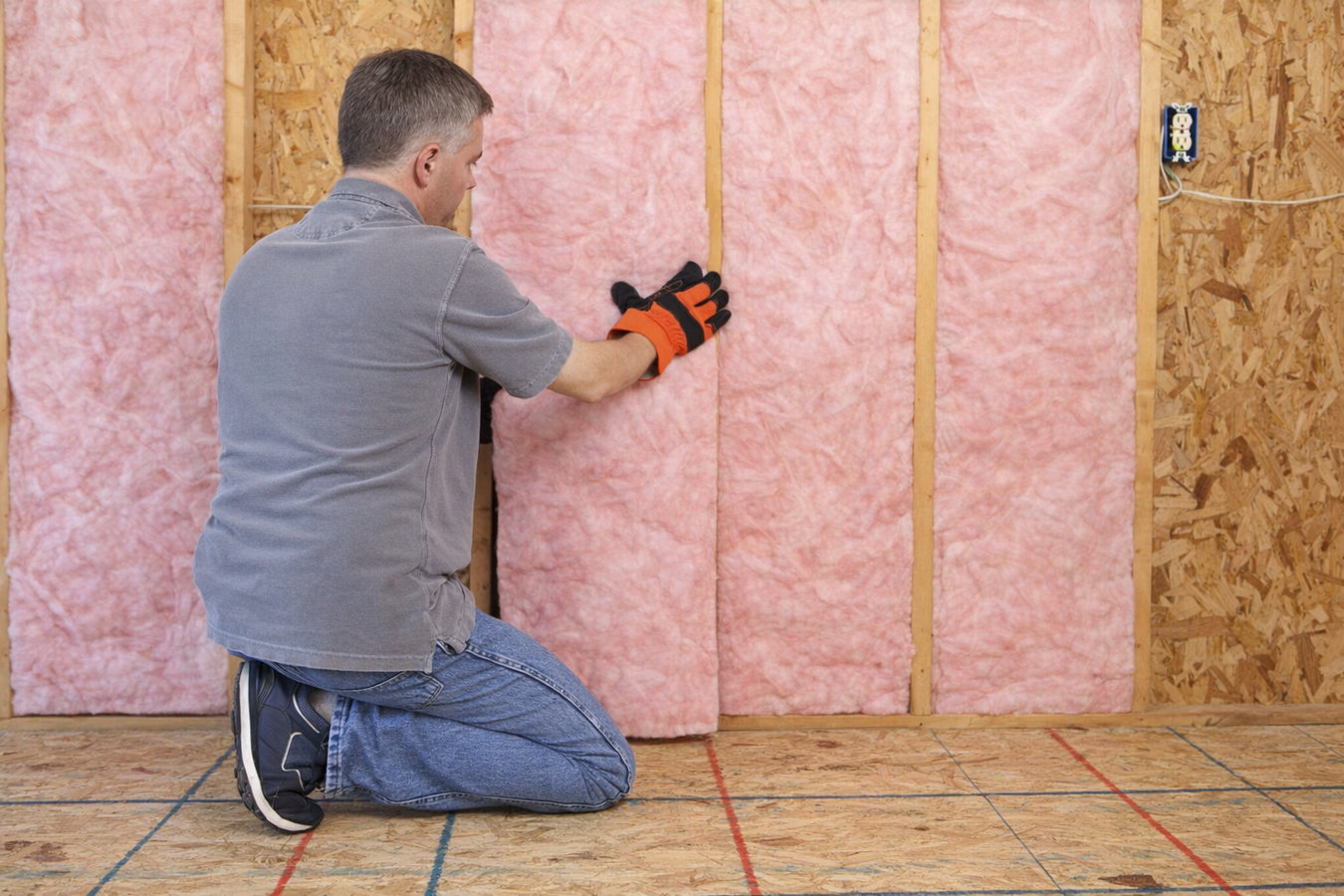
Wall insulation in Honolulu slows the movement of outdoor heat through your exterior walls, keeping your living spaces cooler and reducing how long your AC runs - most jobs take one to two days with no need to leave your home.
In Honolulu, the challenge is not keeping warmth in during winter - it is keeping relentless outdoor heat out all year long. Walls with little or no insulation act as conductors, allowing heat to pour into your home from every direction. Homes built before the 1980s are especially common candidates for this work, since many were constructed with natural ventilation in mind rather than mechanical cooling. If you have been looking at a full home insulation upgrade, wall insulation is often the next logical step after addressing the attic.
Good wall insulation work also accounts for Honolulu's year-round humidity. A contractor who understands island conditions will choose materials and methods that handle moisture well, so you are not trapping problems inside your walls while solving a heat problem.
If your air conditioner seems to run nonstop just to hold a comfortable temperature, your walls may be letting heat in faster than your system can remove it. In Honolulu, where temperatures stay warm year-round and electricity is expensive, an overworked AC is one of the clearest signs that walls are not doing their job. This is especially common in homes built before the 1980s.
If rooms on the west side of your home feel significantly warmer than the rest, the walls on that side may have little or no insulation. West-facing walls in Honolulu take the brunt of the late-afternoon sun, and without insulation they transfer that heat directly into your living space - even when the AC is running.
On a hot afternoon, press your hand flat against an interior wall surface. If it feels warm, heat is moving through the wall relatively freely. Electrical outlets on exterior walls are another easy check - if warm air drifts out of them, the wall cavity behind them likely has little insulation and the gaps are letting outdoor heat and humidity in.
Many of Honolulu's older homes - particularly plantation-style and post-war construction - were built without wall insulation, relying instead on natural airflow and shade. If you are not sure whether your walls have been insulated and the home was built before 1980, there is a reasonable chance the cavities are empty. A contractor can check quickly during a free assessment visit.
We install wall insulation for existing homes across Honolulu using both blown-in and batt methods, depending on what your walls need. Every project starts with a free assessment where we check your current wall construction, note any moisture concerns, and explain our recommendation in plain terms before giving you a written estimate. For older homes with finished walls, we use the blown-in approach - drilling small holes, filling each cavity completely, and patching the holes with paintable material when we are done. We also pair wall insulation with our air sealing services when gaps around electrical outlets, plumbing penetrations, or wall joints need to be closed first.
For renovations or new construction where walls are already open, we install batt insulation that fits precisely into each stud bay. When existing material in older walls is degraded or moisture-damaged, we can remove it and start fresh. Homeowners who want to address both walls and attic in one project can combine wall work with blown-in insulation to get the most complete thermal envelope upgrade at once.
Best for finished homes where walls are closed - small holes are drilled, cavities filled, and holes patched with no major drywall work.
Ideal for new construction or renovations where walls are already open and insulation can be fitted precisely into each stud bay.
For homeowners in Honolulu who want to close both heat and humidity pathways at the same time - especially effective in older homes.
Right for homes with old, compressed, or moisture-damaged wall material that needs to come out before new insulation can perform.
Hawaii consistently ranks as the most expensive state in the country for residential electricity - rates here are more than three times the national average. That changes the math on wall insulation dramatically. What might take a decade to pay off in a mainland city can pay off in just a few years in Honolulu, because every degree of heat your walls keep out translates directly into savings on your monthly bill. A large share of the city's housing stock was built between the 1940s and 1970s, often using plantation-era and post-war construction methods that relied on cross-ventilation rather than insulation. Those homes are exactly where wall insulation delivers the biggest improvement. Homeowners in Makakilo and Ewa Beach face the same sun exposure and humidity challenges that make wall insulation worthwhile across all of Oahu.
Honolulu's year-round humidity - often sitting above 70 percent - means moisture management matters just as much as heat resistance when choosing insulation. Materials that absorb moisture can lose their effectiveness over time and, in the worst cases, contribute to mold growth inside wall cavities. A contractor experienced in Honolulu conditions will factor this in and recommend products that hold up in a humid coastal environment. Hawaii also uses its own state-adopted building energy code, which sets requirements based on the island's unique climate zones. The Hawaii State Energy Office maintains current guidance on local insulation standards, and working with a locally experienced contractor ensures your project meets those requirements.
We ask a few basic questions about your home's size and age and whether you have had any insulation work done before. We reply within one business day and can typically schedule a free assessment visit within the week.
We walk through your home, look at your wall construction, check for any existing insulation, and note any moisture conditions that might affect the job. You get a written estimate before any work begins - no surprises.
Take your time reviewing the written estimate, which breaks down scope, materials, and total cost. A good contractor answers follow-up questions without pressure. Once you are ready, installation is typically scheduled within one to three weeks.
The crew works room by room through your home. If using the blown-in method on finished walls, small holes are drilled, cavities filled, and holes patched. Most jobs finish within one to two days, and we walk you through everything before we leave.
Free estimate, no pressure. We reply within one business day.
(808) 509-0068Plantation-era bungalows and post-war concrete block homes have different wall cavities than mainland wood-frame construction. We have worked on all of them across Honolulu and know what to expect before we even arrive. That means fewer surprises, faster jobs, and work that actually performs in these conditions.
You get a written estimate before we start and a walkthrough of the finished walls before we leave. Every job is on record, so you know exactly what went into your walls and can reference it later. That documentation separates careful local crews from fly-by-night operators.
In Honolulu's humid climate, insulating walls without thinking about moisture is a mistake. We assess your wall assembly for existing moisture issues before we start, choose materials that hold up in coastal conditions, and make sure the finished wall can still manage humidity properly. Done right, insulation reduces the humid outdoor air getting into your walls in the first place.
You receive a written estimate before any work starts. After installation, we walk you through exactly what was done and can confirm coverage before we leave. We also point you toward current Hawaii Energy rebate options and federal tax credits so you are not leaving money on the table. The Building Performance Institute sets the national standard for this type of work, and we follow those guidelines on every project.
Local knowledge, documented work, and materials chosen for Hawaii's climate - not mainland defaults - are what separate a wall insulation job that performs from one that disappoints. We have been doing this work in Honolulu long enough to know what the island demands.
Close the gaps in your home's envelope that let humid Honolulu air bypass your wall insulation entirely.
Learn MoreExtend your insulation upgrade from the walls to the attic with loose-fill material that covers every corner.
Learn MoreWith Hawaii's electricity rates, every month without proper wall insulation costs you money. Get a free estimate and see what is possible for your home.