
Loading...
Serving Honolulu, HI and surrounding areas. (808) 509-0068
Honolulu's heat and humidity push warm, moist air through every gap in your attic ceiling. Sealing those gaps is what lets your AC finally keep up - and keeps moisture from quietly damaging your home.
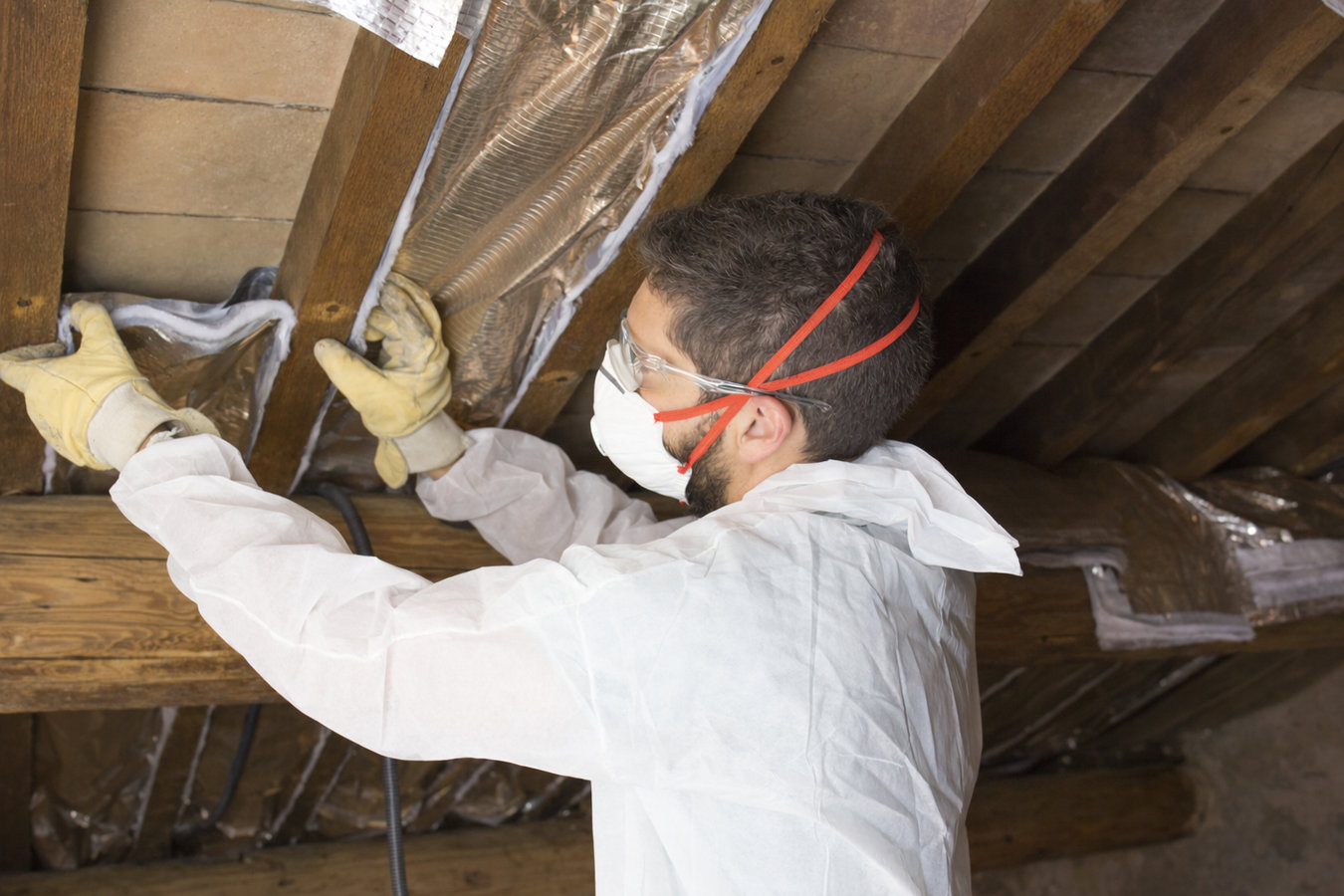
Attic air sealing in Honolulu means finding and closing every gap, crack, and penetration where your living space connects to the attic above, using foam or caulk applied directly to the attic floor, and most single-family homes can be fully sealed in a single day.
The key thing to understand is that insulation slows heat through solid surfaces - it cannot stop air from moving through gaps. In Honolulu, where outdoor air is warm and humid every single month of the year, those gaps let moisture-laden air pour into your home faster than your air conditioning can remove it. Homeowners here often describe the same experience: the AC runs constantly, certain rooms still feel sticky, and the electric bill keeps climbing with no obvious explanation. Attic air sealing cuts that problem off at its source. Many homeowners in Honolulu also pair this work with our air sealing services to address the full building envelope, not just the attic.
The work happens entirely in the attic - your living space stays untouched. Once the gaps are sealed, the improvement is immediate. There is no curing period, no waiting, and no ongoing maintenance needed. Properly applied foam and caulk do not degrade the way insulation can, so a well-sealed attic stays sealed for decades.
If your air conditioning seems to run constantly but certain rooms still feel sticky or humid, that is a strong sign warm, moist outside air is getting in somewhere. In Honolulu's climate, the most common entry point is the attic - gaps in the ceiling let humid air flow down into your living space faster than your AC can remove it. This is one of the most common complaints homeowners here describe before getting their attic sealed.
Hawaiian Electric rates are among the highest in the country, so even a modest amount of air leakage can add up to a noticeable difference on your bill. If your home is roughly the same size as nearby homes but your monthly bill is consistently higher, an unsealed attic is one of the first things worth checking. Hawaii Energy's website has a comparison tool that can help you see how your usage stacks up.
Look up at your recessed ceiling lights - the kind that are flush with the ceiling. If you see a ring of gray or brownish discoloration around the edges, that is dust being carried by air moving through the gap between the fixture and the attic above. It is a visible sign of an air leak, and it is one of the most common ones in Honolulu homes built in the 1960s and 1970s.
If you have ever poked your head into your attic and been hit by a wall of heat and a faint musty smell, that combination points to poor air circulation and possible moisture buildup. In Honolulu's humid climate, moisture that gets trapped in an unsealed attic can encourage mold growth on wood framing over time. Catching this early - before mold becomes visible - is one of the best reasons to have the attic assessed.
We seal every category of leak point in the attic floor - recessed light fixtures, plumbing and electrical penetrations, top plates where interior walls meet the attic, and the attic hatch itself. The crew moves or temporarily pulls back any existing insulation to reach the attic floor, applies two-component spray foam or acoustical caulk to each gap, and then replaces the insulation before leaving. Every job starts with a thorough walkthrough so nothing gets missed. For homeowners who want to take the next step after sealing, pairing this work with our retrofit insulation service brings the attic to full performance - sealing stops air movement, and insulation handles the radiant heat load on top of that.
For homeowners who want verification rather than just a promise, we offer before-and-after blower door testing - a diagnostic tool that pressurizes your home and measures exactly how much air is leaking. Running the test before and after the work gives you a number showing precisely how much improvement was made. The U.S. Department of Energy guidance on air sealing recommends this seal-then-insulate approach as the correct order for improving home performance, and it is exactly how we work on every Honolulu home.
Complete sealing of every gap in the attic floor - the most impactful single step for controlling air and moisture movement between your living space and the attic above.
Recessed lights are among the largest air leak points in Honolulu homes built in the 1960s and 1970s - we seal each one properly so the fix holds for years, not months.
Before-and-after diagnostic testing that measures your home's air leakage in real numbers, so you can see exactly what the sealing work accomplished rather than taking our word for it.
The attic hatch is often the single leakiest point in the ceiling - adding a proper gasket and insulated cover closes a gap that most homeowners never think to check.
Honolulu's climate is warm and humid every single month, with average outdoor humidity regularly above 60 percent. That means unsealed attic gaps are not a seasonal problem - they are letting hot, moist air into your home 365 days a year. For homeowners here, air sealing is less about saving on heating and more about keeping your AC from working overtime and protecting the wood structure above your ceiling from long-term moisture damage. A large share of Honolulu's housing stock was built between the 1940s and 1970s, when building techniques paid little attention to airtightness, which means the problem is widespread in older neighborhoods. If you live in Kailua or anywhere on the windward side of the island, trade wind pressure adds another layer to the problem - consistent northeast winds push outdoor air through gaps more aggressively than in calmer climates.
Homes in Kaneohe face similar conditions - high humidity, older construction, and the same problem of warm outdoor air finding its way in through gaps that have never been addressed. Hawaii's building permit requirements mean that standalone air sealing work typically does not require a permit, but combining the project with electrical upgrades - such as replacing recessed lights to improve access - may trigger one. We will tell you upfront what applies to your specific project before any work begins, so there are no surprises on your end.
When you reach out, we will ask a few basic questions - home size, age, and what prompted the call. That is enough to send the right person with the right equipment. We respond within 1 business day and can usually schedule an initial visit within a week or two.
A trained technician visits your home, inspects the attic, and often runs a blower door test to measure how much air is leaking and where the worst spots are. This takes about one to two hours and results in a written estimate explaining exactly what will be sealed and why.
The crew accesses the attic and works systematically across the attic floor, applying foam or caulk to every gap found. Existing insulation is moved aside to reach gaps and put back when done. Most Honolulu homes are completed in a single day. You do not need to leave your home.
A quality contractor runs a second blower door test after the work to confirm how much leakage was reduced - and shows you the before-and-after numbers. If your project qualifies for a Hawaii Energy rebate, we provide the documentation needed to submit the claim or handle the submission directly.
No pressure, no obligation. We assess your attic, explain exactly what needs to be done, and give you a written quote you can compare with confidence.
(808) 509-0068We run a blower door test before work starts and again when it is done, then show you both numbers. That gives you proof the job made a real difference - not a sales promise, but a measured result you can see and keep.
Choosing a contractor enrolled in the Hawaii Energy program is the only way to access available rebates for air sealing work. Our enrollment means we can submit the required paperwork on your behalf and help you recover a portion of the project cost through the program.
Our crews seal attics across Oahu year-round and know where island homes leak the most air. You get a written estimate before any work begins and a clear walkthrough of what was done when we finish, so the job is documented start to finish.
Homes built in Honolulu before 1980 have construction patterns that newer homes do not - open wall cavities, unblocked soffits, and ceiling penetrations that were never addressed. We know where to look in these homes and how to seal them properly, not just patch the obvious spots.
These are the things that make a real difference in whether a project actually works - not just for the first month, but for the long term. When you call us, you get a crew that understands Honolulu homes and stands behind the work with numbers to back it up.
For more detail on Hawaii energy rebate programs, visit Hawaii Energy or the IRS Energy Efficient Home Improvement Credit page.
Add or upgrade insulation in your existing Honolulu home without a full renovation - the logical next step after air sealing for full attic performance.
Learn MoreWhole-house air sealing that goes beyond the attic to address the full building envelope and reduce air infiltration from every direction.
Learn MoreHawaii Energy rebates are available now - booking with a qualified, enrolled contractor is the only way to access them, and slots fill seasonally.