Loading...
Serving Honolulu, HI and surrounding areas. (808) 509-0068
Honolulu homes built before 1985 often have little to no attic insulation - and Hawaii electricity rates make that an expensive problem every single month.
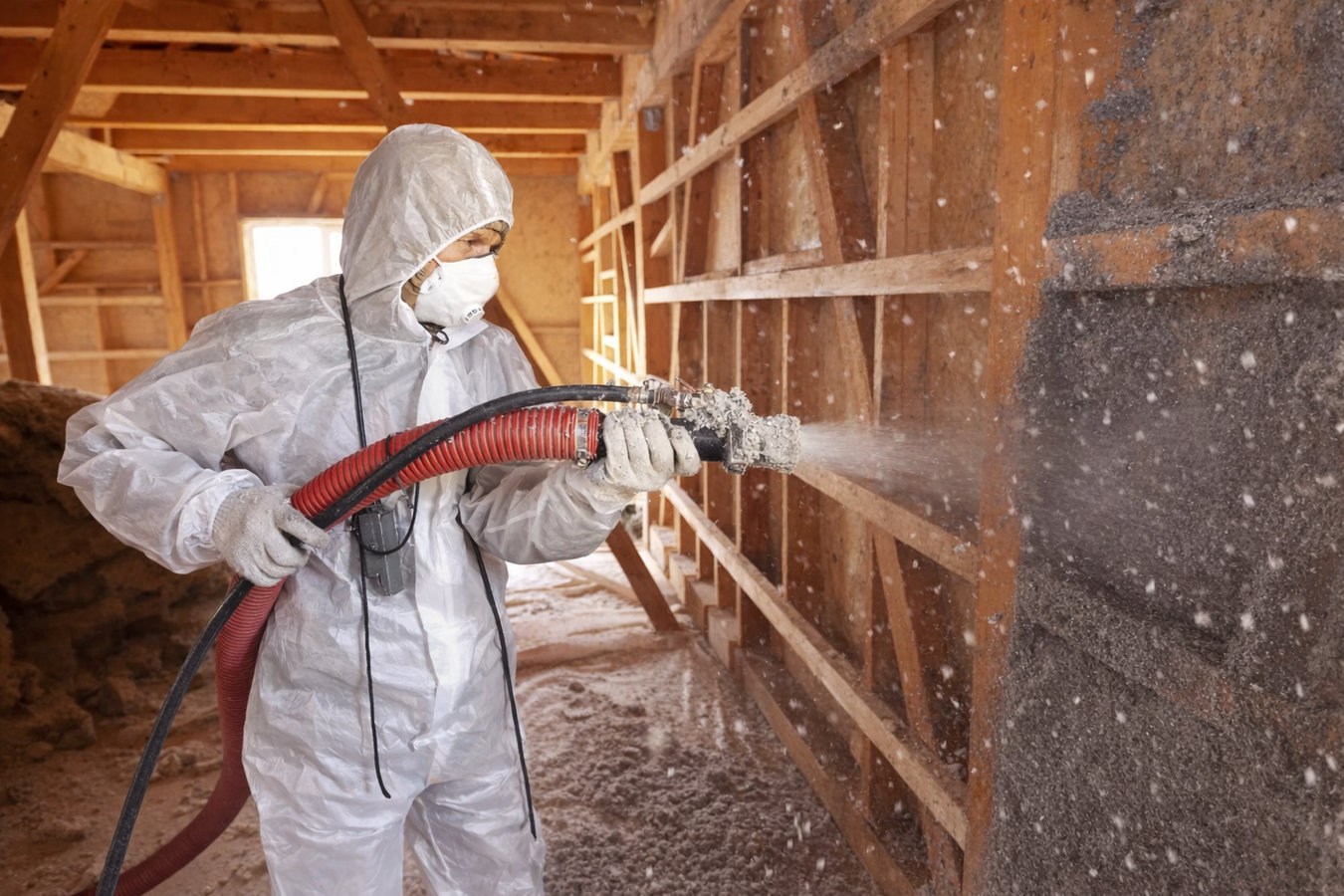
Proper home insulation in Honolulu works by blocking radiant heat from the sun pouring through your roof and ceiling all day long - most jobs covering attic and air sealing take one to two days and can be done while you stay in the house.
Insulation is not just about cold weather. In Hawaii, your attic absorbs intense sun all day and radiates that heat directly into your living space. When your ceiling does not have an adequate thermal barrier, your air conditioner fights a losing battle. For most Honolulu homes - especially those built before 1985 - attic insulation is the single upgrade that makes the biggest difference in both comfort and electric bills. If you are also dealing with air leaks around fixtures or pipes, insulation removal paired with a fresh installation can clear out degraded material before new insulation goes in.
Hawaii Energy, the state's energy efficiency program, offers rebates that can offset a meaningful portion of the project cost. A contractor familiar with the program can help you understand what documentation is needed before work begins - some rebates require pre-approval, so it is worth asking early.
If your monthly bill has been creeping up and your habits have not changed, poor insulation is one of the most common culprits. In Honolulu, where electricity already costs far more than almost anywhere in the country, a home that leaks cool air is an expensive problem that tends to get worse over time, not better.
If your bedroom or living room feels stuffy and warm in the afternoon even with the AC running, heat is likely pouring in through an under-insulated ceiling directly above. In Honolulu, where rooftops absorb heat all day, rooms directly under the roof are the first to show this symptom.
Older Honolulu homes were frequently built with little thought given to insulation, because electricity was cheaper and the climate seemed forgiving. If you have owned or moved into a home from that era and no one has ever upgraded the attic, there is a good chance you are cooling the sky above your ceiling as much as your living space.
Honolulu's persistent humidity can cause older insulation to absorb moisture over time, creating conditions where mold and mildew develop inside your walls or attic. If you smell something musty when the AC kicks on, or if you see water stains on your ceiling after heavy rain, the condition of your insulation is worth investigating.
We assess and upgrade insulation in all the areas that matter most for Honolulu homes - attic, walls, and any crawl spaces or floor cavities. Every project starts with a free in-home walkthrough where we measure what is already there, check for moisture damage or pest disturbance, and explain exactly what we find before we recommend anything. We use blown-in, batt, and spray foam materials depending on what each area needs - no single product fits every situation, and we will tell you which one makes the most sense for your home. If you have old or damaged material that needs to come out first, we handle removal and replacement as part of the same project. For homes with specific air leakage problems, retrofit insulation is worth discussing - it allows us to bring older walls up to current performance standards without a full renovation.
Air sealing is part of every quote we give - on new installs and retrofit insulation jobs alike - not a separate line item that gets added later. In Honolulu's humid climate, sealing gaps around light fixtures, pipes, attic hatches, and framing joints before insulation goes in is what separates work that performs from work that does not. We also help homeowners understand the Hawaii Energy rebate program so you are not leaving money on the table.
The highest-impact upgrade for most Honolulu homes - blocks heat at the source and gives your AC a fighting chance.
Best for homes undergoing renovation or for homeowners who want to address every thermal weak point in the building envelope.
For homes in humid areas where moisture intrusion is a concern alongside heat gain - both problems get addressed in one visit.
Right for older homes where existing material has settled, gotten wet, or been disturbed and needs to be cleared before new insulation can perform.
Most of the continental U.S. uses insulation to keep cold out in winter. In Honolulu, the challenge is almost entirely about blocking radiant heat from the sun beating down on your roof all year long. This means attic insulation is far more important here than wall insulation - and a contractor who tries to sell you a whole-house wall project before addressing your attic may not be working from your best interests. Hawaii's electricity rates are among the highest in the nation, often three times the mainland average, which means the payback period for a good insulation upgrade is much shorter here than it would be elsewhere. Homeowners in Kaneohe on the windward side and in Ewa Beach face the same heat-gain and humidity challenges that make proper insulation a real financial decision - not just a comfort preference.
Honolulu's humidity also matters in ways that a purely mainland-trained contractor may not account for. Some insulation materials absorb moisture and lose their effectiveness over time - or worse, create conditions where mold grows inside your walls. An insulation installer who regularly works in Hawaii should be selecting products and installation methods that account for the local climate. Hawaii also has its own energy code that differs from mainland standards. The Hawaii Energy rebate program is worth checking before you commit to any project.
We ask a few basic questions about your home - size, age, and what is prompting your call. We reply within one business day and can usually schedule an assessment within the week. There is no charge for the visit.
We walk through your home - paying close attention to your attic, any crawl spaces, and areas where you have noticed heat or comfort problems. We measure what is already there and explain what we find before we leave. This visit typically takes 30 to 60 minutes.
You receive a written estimate that spells out exactly what work will be done, what materials will be used, and the total cost. The estimate includes air sealing - we do not separate that out as a costly add-on. The number you agree to is the number you pay.
Most single-family attic jobs are done in one day. The crew lays protective coverings, seals gaps, installs the insulation, and cleans up. Before leaving, we walk you through the finished work and answer any questions. Your home is ready to use immediately.
Written quote, no obligation. We include air sealing in every estimate. Reply within one business day.
(808) 509-0068We have been working in Honolulu since 2016 and understand the difference between heat-blocking for a Hawaiian climate and cold-weather insulation for the mainland. That difference matters when choosing materials and calculating R-values for your attic.
Every estimate we give includes sealing gaps around light fixtures, pipes, and framing before insulation goes in. In Honolulu's humid climate this step is what makes the difference between work that holds up and work that underperforms within a few years.
Hawaii labor and materials already cost more than the mainland. We give you a single written number that covers everything - materials, labor, and cleanup. No charges that grow after work starts.
You get a written estimate before we start and a walkthrough of the finished job before we leave. Every project is on record, so you know exactly what was installed and can point to it if you ever need to.
These are not talking points - they are the reasons Honolulu homeowners call us back for additional areas of their home after the first job is done. Results you can see and feel are the best evidence we have.
Clear out old, compressed, or moisture-damaged material before new insulation can do its job properly.
Learn MoreBring older walls and ceilings up to current performance standards without tearing out finished surfaces.
Learn MoreWith Hawaii electricity rates among the highest in the country, every month you wait is real money out of your pocket. Call or submit a request today and we will reply within one business day.