
Loading...
Serving Honolulu, HI and surrounding areas. (808) 509-0068
Honolulu's humidity works on your crawl space every single day. A properly installed vapor barrier stops ground moisture before it reaches your floors, framing, and living spaces.
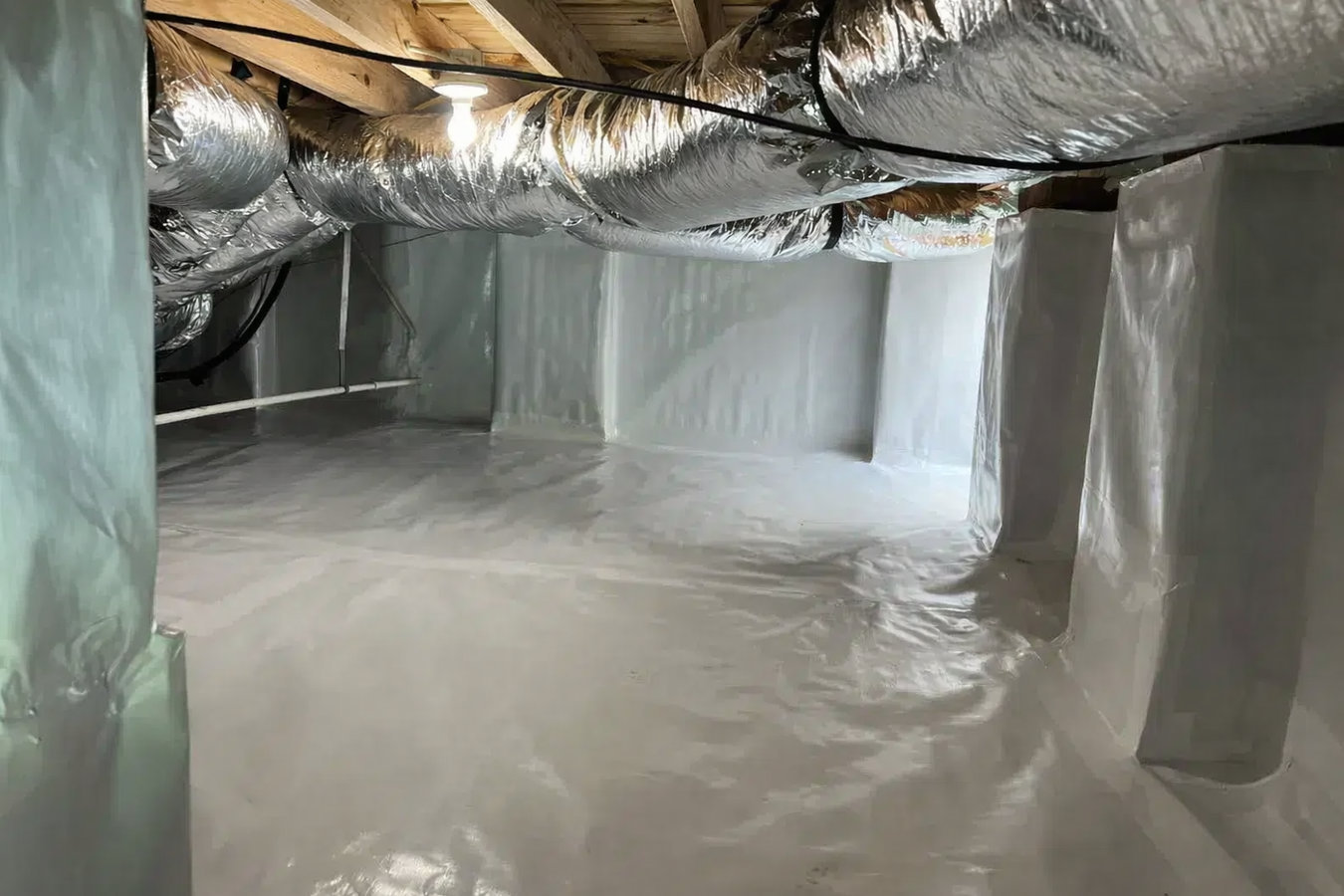
Crawl space vapor barrier installation in Honolulu involves laying heavy plastic sheeting across the entire ground surface of your crawl space to stop ground moisture from rising into the wood and air above it, most jobs take one to two days and are completed without disrupting your daily routine inside the home.
Without a barrier, the bare ground beneath your home releases moisture into the air below your floors every single day - in Honolulu's climate, that never stops. That moisture soaks into floor joists, subfloor wood, and insulation, leading to rot, mold, and structural damage that costs far more to fix than to prevent. Many Honolulu homeowners first notice the problem as a musty smell or soft spots in the floor, by which point moisture has already been working on the structure for some time. Pairing a vapor barrier with our crawl space insulation service addresses both moisture and thermal performance at the same time.
The good news is that this is one of the more straightforward home improvements you can make. The crew works below the floor, you stay in your home, and the barrier starts protecting your structure from the moment installation is complete.
A damp, earthy odor inside your home - especially near the floor or in rooms above the crawl space - is almost always moisture rising from bare ground below. In Honolulu's humid climate, this is one of the earliest and most reliable warning signs. The smell tends to be strongest in the morning or after rain and is easy to dismiss until guests notice it.
When floor joists and subfloor wood absorb moisture over time, they begin to soften and lose rigidity. Spots that feel slightly bouncy, or hardwood and laminate flooring that has started to buckle or cup at the edges, point to moisture coming from below. In older Honolulu homes built on open pier foundations, this kind of damage can develop gradually over years before it becomes obvious.
A flashlight shined into your crawl space access can reveal a lot. Water droplets on pipes, rust on metal fasteners, or dark staining on the wood above the ground are clear signs that moisture levels are too high. Bare dirt that looks dark and damp even during dry weather is another indicator you can check yourself without entering the space.
Pest control companies in Honolulu routinely inspect crawl spaces as part of termite assessments, and they frequently flag high moisture as a contributing risk factor. If a termite inspector has mentioned damp conditions under your home - even without finding active termites - that is a direct signal that a vapor barrier belongs on your to-do list. Moist wood is the primary condition that draws Formosan subterranean termites toward a structure.
We install heavy-duty polyethylene vapor barriers across the entire ground surface of your crawl space, with overlapping seams taped flat and edges secured to the foundation walls - no bare patches, no loose edges. The thickness of the material matters in Honolulu's climate. We use durable sheeting that holds up to the occasional foot traffic from pest control or HVAC technicians and resists punctures from rocks or debris on the ground. Every installation is done to the full-coverage standard that building science experts recommend for humid climates: seams lapped and sealed, edges fastened, nothing left loose. For homeowners who want to address moisture and thermal performance together, we can combine this service with our vapor barrier installation service, which covers broader applications including walls and slab areas, to give your home comprehensive moisture protection from multiple entry points.
Before any material goes in, we assess your crawl space - checking the condition of existing wood, looking for signs of past moisture damage, and evaluating how easy the space is to work in. If we find damage that needs attention before the barrier goes in, we will tell you clearly and explain your options. The EPA guidance on mold and moisture control confirms that blocking moisture at its source is the most effective first step in protecting a home from mold and structural degradation.
Full ground-surface coverage with heavy-duty polyethylene sheeting, lapped and taped seams, and edges secured to the foundation walls - the right baseline for most Honolulu crawl spaces.
A thorough inspection of your crawl space before any material goes in, checking for existing damage, moisture levels, and anything the crew needs to know before starting work.
For homeowners who want to address heat and moisture together, we can install vapor barrier and crawl space insulation in the same visit, protecting both the structure and the thermal envelope.
We walk every homeowner through the finished installation - with photos if the space is too tight to enter - so you know exactly what was done and what to watch for going forward.
Honolulu's average relative humidity stays between 60% and 75% throughout the year, with no true dry season to give crawl spaces a break. That means the ground under your home releases moisture into the air below your floors every day - not just during a rainy stretch. Honolulu also has some of the most aggressive termite populations in the United States, including the Formosan subterranean termite, which thrives in moist wood. A damp crawl space is not just a mold risk - it is an active invitation for termite activity. Keeping the ground dry with a vapor barrier is one of the most practical things you can do to make your home less attractive to termites. Homeowners in Kailua on the windward side of the island deal with even higher moisture pressure than homes on the leeward side, and tend to see the benefits of a vapor barrier most quickly.
A significant share of Honolulu's housing stock was built between the 1940s and 1970s, often on pier-and-beam or post-and-pier foundations that leave the underside of the home open to outside air and ground moisture. These homes were not built with modern moisture management in mind, and many have never had any ground covering installed. If your home was built before 1980 and you have no record of crawl space work, moisture has likely been working on your floor structure for decades. Because materials in Hawaii are shipped from the mainland, quotes will run higher than what you see in national guides - homeowners in Pearl City and neighboring communities should expect that and plan accordingly.
Tell us the basics - the age of your home, whether you have noticed any smells or soft floor spots, and whether you know anything about the crawl space. You do not need all the answers. We will respond within 1 business day and schedule a free on-site visit, not a phone quote.
A crew member accesses your crawl space through the hatch or exterior opening and inspects the ground surface, the wood structure above it, and any existing ventilation. They check how much bare ground needs covering and note any existing damage. You receive a written estimate within a day or two of this visit.
The crew unrolls heavy plastic sheeting across the entire ground surface, overlaps the seams by at least six inches, tapes them flat, and secures the edges to the foundation walls. Most jobs take one full day. You may hear movement below the floor, but there is no mess or disruption in your living spaces.
Before leaving, we walk you through what was installed and show you photos if the space is too tight to enter. We explain how to do a simple visual check going forward and what to watch for in the first few weeks. Ask for a written record of the material thickness - useful if you ever sell the home.
Free on-site estimate, no obligation. We respond within 1 business day.
(808) 509-0068You get a written estimate before you sign anything, and we walk you through the finished crawl space before we leave. Having the scope and materials on record is the simplest protection you have before any crew enters your home.
We use heavy-duty polyethylene sheeting rated for long-term performance in humid climates - not the thin material that tears within a few years and has to be redone. We specify what we are installing in the written estimate so you know exactly what goes under your home and can compare apples to apples when reviewing other quotes.
Honolulu's termite problem and its moisture problem are directly connected. We understand both, and we install vapor barriers with the termite risk in mind - tight coverage at the perimeter, secured edges that do not shift over time, and material that does not create new harborage conditions. We can advise on whether your crawl space setup also warrants a conversation with a professional pest control provider.
The building science standard for humid climates calls for seams overlapped and taped, edges fastened to the foundation wall, and no bare ground left exposed. That is what every installation we do looks like - not because it is the easiest approach, but because shortcuts in vapor barrier work show up as problems within a few years. The EPA moisture control guidance backs this up as the correct baseline.
These are the things that make a real difference when the work is done under your home where you cannot easily see it. We back every installation with a walkthrough and documentation so you are not just taking our word for it.
Broader vapor barrier coverage for walls, slabs, and other areas beyond the crawl space ground surface - a natural companion to crawl space barrier work.
Learn MoreAdd thermal insulation to your crawl space walls or floor assembly to address heat loss and gain alongside moisture protection.
Learn MoreHonolulu's humidity is working on your crawl space right now - the sooner a barrier goes in, the sooner your home's structure is protected. Call us today or request a free estimate online.