
Loading...
Serving Honolulu, HI and surrounding areas. (808) 509-0068
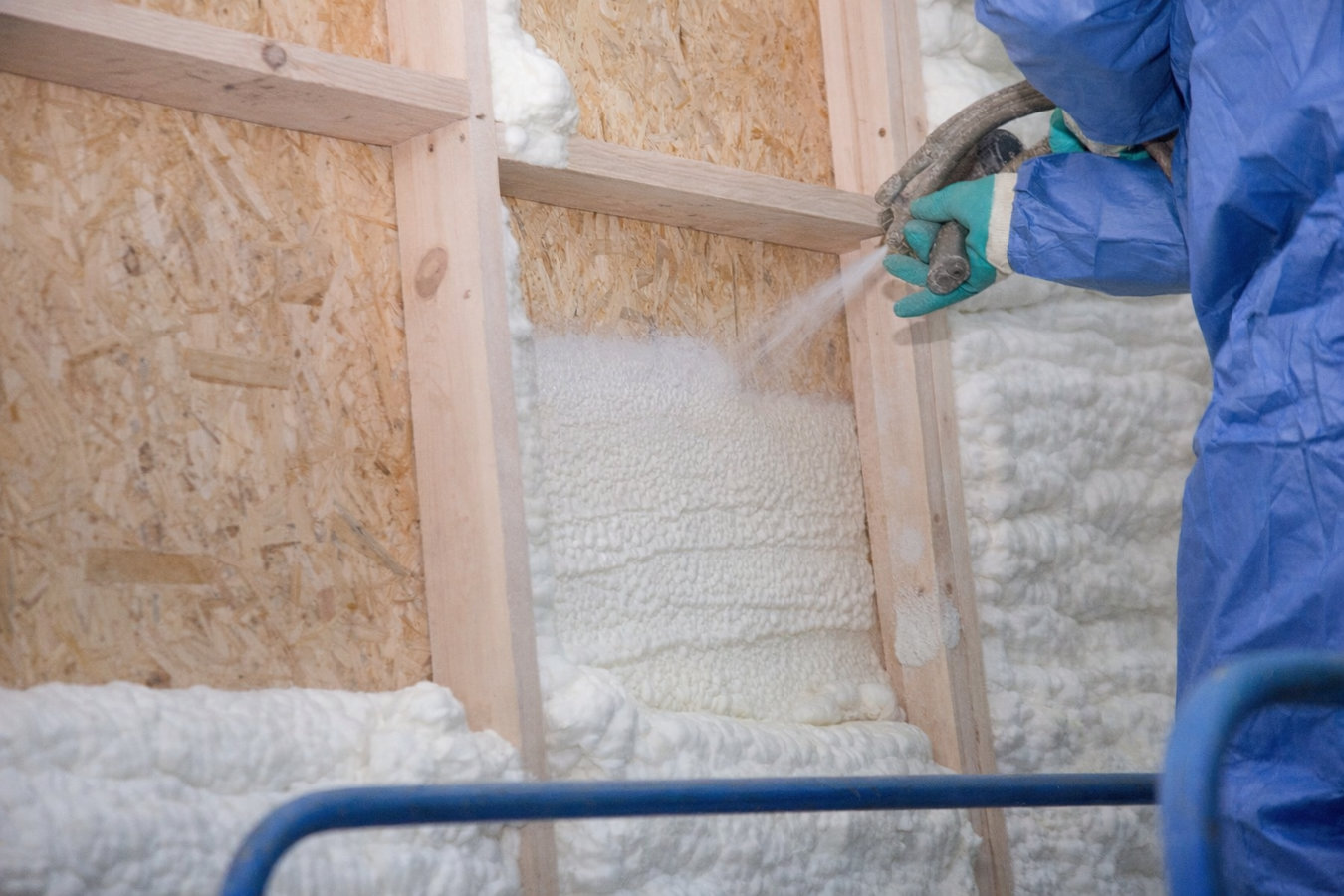
Heat and humidity rising through your floor make every room above less comfortable and push your electricity bill higher. We insulate and seal the space below so your home stops fighting you.
Basement insulation in Honolulu means insulating the underside of your floor, the walls of a crawl space, or the lower portion of a concrete foundation wall to slow heat and moisture from moving into your living area. Most jobs are completed in one to two days, and you can stay home during the work - the crew operates below the floor.
Most Honolulu homes do not have a true below-ground basement. What you likely have is a crawl space - a low, often tight area under the floor. The purpose of the work is the same regardless of the foundation type: keep heat and ground moisture from pushing upward into the rooms above. Pairing this work with closed-cell foam insulation in the same space gives you both a thermal barrier and a moisture barrier in a single application.
If your home also has a crawl space that has never been properly sealed, crawl space insulation covers the full scope of that work - including the vapor barrier on the ground and the insulation between the joists. Most Honolulu homeowners notice a real difference in how their ground floor feels within weeks of the job being completed.
If your air conditioning runs longer than it used to - and your bill shows it - heat entering through an uninsulated or degraded crawl space floor is a common culprit. In Honolulu, where electricity is among the most expensive in the country and the AC runs most of the year, even a modest improvement in floor insulation can produce a noticeable drop in your monthly bill. Homes more than 20 years old that have never had crawl space work done are especially likely to have this problem.
If the lowest rooms in your home feel warmer or more humid than the rest of the house - or if you notice a persistent musty smell near the floor - ground moisture and outdoor heat are likely pushing upward through an uninsulated crawl space. This is a common complaint in older Honolulu homes, particularly those in Kaimuki, Manoa, and other neighborhoods with older housing stock and high ground moisture.
If you have ever looked into your crawl space and seen insulation that is sagging, discolored, or wet - or bare soil with no plastic sheeting - the space is not properly protected. Insulation that has absorbed moisture in Honolulu's humidity loses most of its effectiveness and can grow mold. Standing water after rain is an urgent sign that water management needs to be addressed before any new insulation goes in.
Many Honolulu homes built before the 1990s were constructed with minimal or no crawl space insulation, and what was installed has had decades to degrade in the island's humidity. If you have never had anyone look under your home, you genuinely do not know what condition the insulation or moisture levels are in. A professional inspection is a sensible first step and costs little or nothing on its own.
Every job starts with an in-person assessment. We check the existing insulation, look for moisture or mold, measure the space, and confirm whether a vapor barrier is already in place. That inspection is what allows us to give you an accurate written quote and explain exactly what the work involves. Depending on what we find, the job may include removing old or damaged material before anything new goes in - a step that adds time and cost but is necessary when moisture has compromised the existing insulation.
In Honolulu's climate, moisture management is not optional - it is the most important part of the job. We address vapor barriers and air sealing as part of the same scope of work, not as expensive add-ons. For spaces where a full moisture and thermal barrier is the best solution, closed-cell foam insulation and crawl space insulation are both options we discuss during the estimate visit based on your home's specific conditions.
Best for homes with accessible crawl space joists where insulation is installed directly between the floor framing to reduce heat gain from below.
Suited for homes where insulating the crawl space walls rather than the floor joists is more practical - often used in taller crawl spaces.
The most thorough approach for Honolulu homes with persistent moisture - pairs a heavy ground liner with insulation to address both heat and humidity at once.
For spaces where existing insulation has been damaged by moisture, pests, or age and must be cleared out completely before new work can begin.
Honolulu's average relative humidity hovers between 60 and 70 percent year-round, with no dry season. That means ground moisture is a constant presence under any Honolulu home that lacks a proper vapor barrier. A large share of the city's housing stock was built between the 1940s and 1970s - homes in that era were often constructed with minimal or no crawl space insulation, and the materials that were installed have had decades to absorb moisture and degrade. Homeowners in Pearl City, HI and Aiea, HI - where older single-family homes are common - frequently encounter crawl spaces that have never been properly addressed.
Hawaii's electricity costs are among the highest in the United States, which means insulation improvements pay back faster here than almost anywhere else. Air conditioning is the biggest energy draw in most Honolulu homes, and reducing heat gain through an uninsulated floor system produces real, measurable savings month after month. The Hawaii State Energy Office provides resources for homeowners looking to understand the energy efficiency improvements available to them - energy.hawaii.gov is a useful starting point when evaluating options.
We will ask a few basic questions - the age of your home, whether you have a crawl space or slab foundation, and what prompted your call. This takes about 10 minutes and costs nothing. We reply within one business day to confirm your assessment visit.
A technician visits your home and inspects the crawl space or foundation area in person. We check existing insulation, moisture levels, any signs of mold, and whether a vapor barrier is in place. You get a written quote before we leave - not a ballpark, a real number.
The crew removes any old or damaged material, installs the new insulation, and lays a vapor barrier if one is needed. Most Honolulu crawl space jobs take one full day. You can stay home throughout - the work happens entirely below the floor.
We walk you through the completed space so you can see the insulation, the vapor barrier, and the clean work area before the crew packs up. There is no curing time - your home is ready to use immediately. Any permit documentation is handled by us.
No obligation estimate. We assess your crawl space in person and give you a written quote before any work begins.
(808) 509-0068You get a clear written estimate before any work begins, and we walk you through the finished crawl space before we leave. That means the scope is on record and easy to check - not just our own word.
We do not quote over the phone or skip the crawl space. Every job starts with an in-person moisture assessment so we know exactly what the conditions are before recommending materials or a price. In Honolulu's climate, quoting without seeing the space first leads to jobs that miss the actual problem.
In Hawaii's humidity, a vapor barrier is not an optional upgrade - it is a required part of any proper crawl space insulation job. We include the moisture management assessment and vapor barrier recommendation as a standard part of every estimate, not as a line item added after the fact to push the price up.
We walk every homeowner through the finished crawl space before packing up, so you can see the insulation, the barrier, and the workspace with your own eyes. The North American Insulation Manufacturers Association sets installation quality standards - you can read more at naima.org. Knowing what good work looks like helps you confirm you received it.
Every job we do in Honolulu is built around the same principle: address the moisture first, install the insulation correctly, and show the homeowner the finished work. Those three steps are what separate a job that holds up in Hawaii's climate from one that needs to be redone in a few years.
A rigid spray foam that seals and insulates in one application - particularly effective in humid spaces where standard batts absorb moisture over time.
Learn MoreFull crawl space treatment including the ground vapor barrier, joist insulation, and moisture assessment for Honolulu homes with persistent under-floor issues.
Learn MoreHonolulu contractors book out fast - getting your assessment scheduled now puts you ahead of the next wave of demand.